MMA vs Boxing in Pakistan: Differences, Training & Which to Choose
Boxing uses only punches above the waist; MMA allows punches, kicks, elbows, knees, and grappling. Boxing is a better choice for pure striking skill and fitness. MMA is better if you want comprehensive combat sports training. Both are growing rapidly in Pakistan.
What Is Boxing? Definition and Rules
Boxing is a combat sport where two fighters use only their fists, wearing gloves (8-10oz in competition, 14-16oz in training), to strike the opponent above the waist. Fighters stand in a ring (14-20 feet depending on level) and score points by landing clean punches while defending against their opponent's strikes. Bouts are scored by three judges over 3-12 rounds. The objective is to win by knockout (KO), technical knockout (TKO), or judges' decision. Boxing is the oldest and most internationally recognised combat sport, with Olympic history since 1904.
What Is MMA? Definition and Rules
Mixed Martial Arts (MMA) is a full-contact combat sport combining techniques from boxing, Muay Thai, wrestling, Brazilian Jiu-Jitsu (BJJ), judo, and other disciplines. Fighters can strike (punches, kicks, elbows, knees) and grapple (takedowns, clinch, ground submissions). MMA bouts take place in an octagon cage or a boxing ring. Professional MMA follows Unified MMA Rules: 5-minute rounds (3 rounds amateur, 5 rounds championship), no strikes to the back of the head, spine, or groin. MMA in Pakistan is growing rapidly, with active gyms in major cities and representation in Asian MMA competitions.
Key Differences: Boxing vs MMA
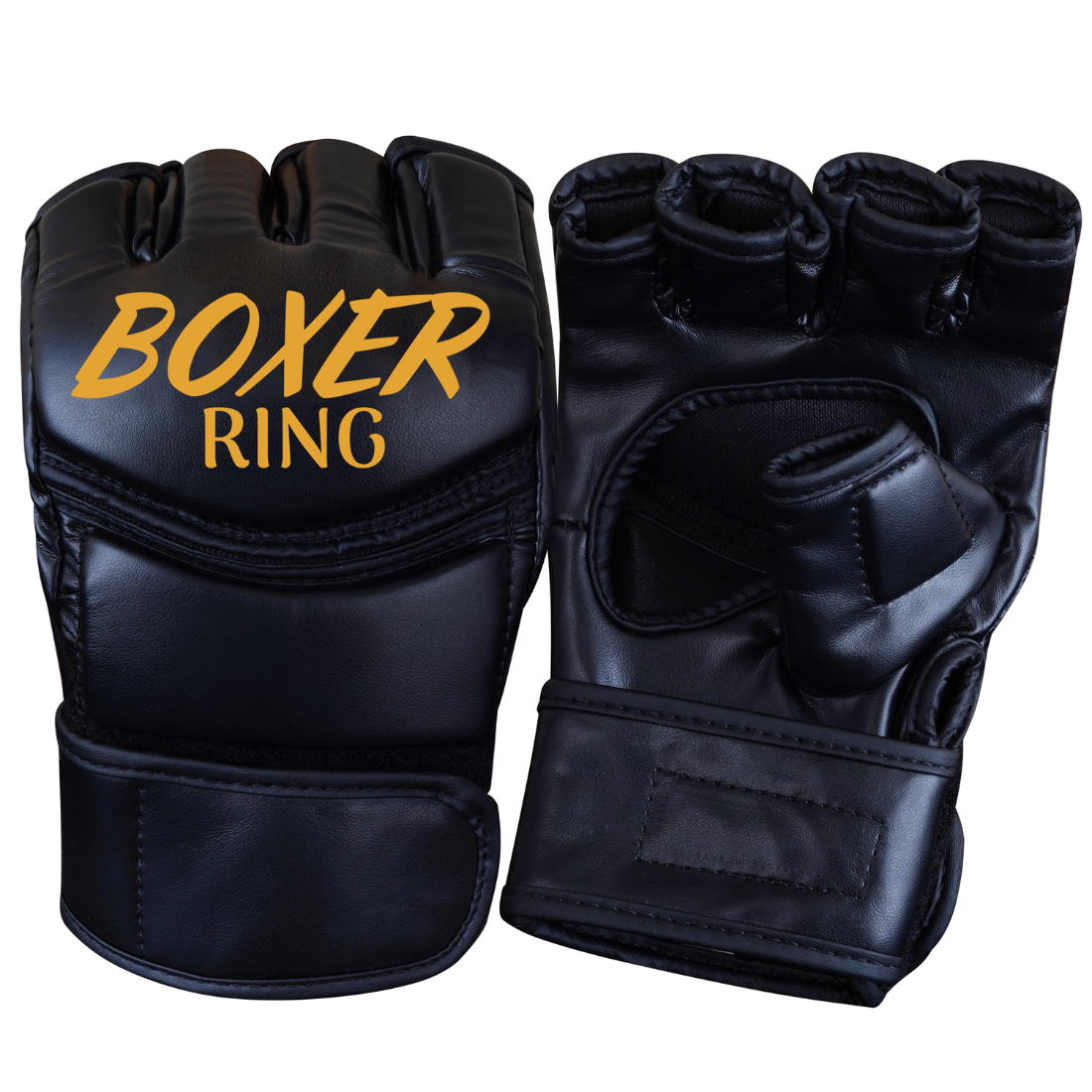
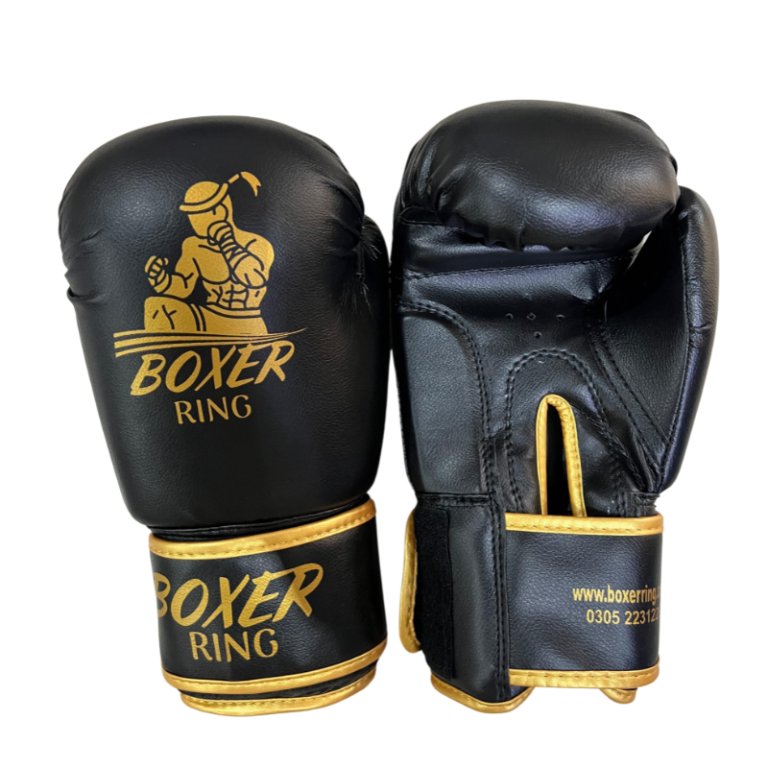
Striking: Boxing uses only punches above the waist. MMA adds kicks, elbows, and knees. Ground fighting: Boxing has none - a fighter who goes down gets a mandatory 8-count and the bout restarts standing. MMA allows ground-and-pound, submissions, and clinch work. Equipment: Boxing requires gloves (14-16oz training), shorts, shoes. MMA requires open-finger gloves (4oz), shorts, rash guard, and often shin pads for training. Physical demands: Boxing builds exceptional punch technique, footwork, and cardiovascular conditioning. MMA builds broader athleticism - strength, grappling, flexibility, and multi-discipline technique.
Which Is Better for Fitness: Boxing or MMA?
Both are excellent for fitness - among the most demanding sports for cardiovascular conditioning and functional strength. Boxing produces specific adaptations: exceptional hand speed, shoulder endurance, footwork, cardiovascular efficiency, and core strength from rotation. A 60-minute boxing session burns 500-800 calories. MMA training is more varied - it conditions more muscle groups through strikes, takedowns, and grappling. Both will get you significantly fitter than most gym workouts. For pure cardiovascular fitness and striking skill, boxing is arguably more focused. For overall athletic development, MMA is broader.
Self-Defence: Boxing vs MMA in Pakistan
From a real-world self-defence perspective, MMA training provides more tools - it includes defences against grabs, takedowns, and ground situations that boxing does not address. However, boxing's core skill - effective punching - is highly useful in real situations. Many Pakistani security and law enforcement personnel train boxing specifically because of its practical striking effectiveness. For most people, boxing teaches confidence, spatial awareness, and striking that are practically applicable. MMA's grappling dimension is valuable if the ability to handle ground situations is a priority.
Boxing and MMA Gyms in Pakistan: Availability
Boxing gyms are more widespread in Pakistan, with institutional presence in government sports complexes, schools, universities, and the military. Commercial boxing gyms are growing in Karachi, Lahore, and Islamabad. MMA academies are newer but growing rapidly - there are now 20+ active MMA gyms in Karachi's DHA and Clifton, 10+ in Lahore's Gulberg and DHA. Most MMA gyms also teach boxing as the striking base. If you are in a smaller city, a boxing gym is more likely to be available than a dedicated MMA academy.
Equipment Cost Comparison: Boxing vs MMA Pakistan
Boxing starter kit: gloves (PKR 2,500), wraps (PKR 500), mouthguard (PKR 800) - Total PKR 3,800. MMA starter kit: MMA gloves (PKR 2,500), shorts (PKR 1,800), rash guard (PKR 1,800), shin pads (PKR 2,500), mouthguard (PKR 800) - Total PKR 9,400. Boxing has a lower entry cost. For full training: boxing sparring set (adding head guard, 16oz gloves) adds PKR 6,000-15,000. MMA full training set (adding head guard, boxing gloves, Thai pads) adds PKR 10,000-20,000. Boxing is more affordable to start; MMA requires more equipment investment. BoxerRings.pk stocks both.
Career Paths: Boxing vs MMA in Pakistan
Competitive boxing in Pakistan has a clear pathway: school, university, provincial, national championships, and international competition (Commonwealth, Asian Games, Olympics) through the Pakistan Boxing Federation. Domestic professional boxing is nascent. MMA's competitive pathway in Pakistan is developing - there are regional MMA competitions, Asian MMA Federation events, and international connections. Pakistan has sent fighters to Asian MMA competitions. Professional MMA (UFC, ONE Championship, Bellator) is a global ambition for some Pakistani athletes. Both sports benefit from Pakistan's Sialkot manufacturing heritage for equipment supply.
Can You Train Both Boxing and MMA Simultaneously?
Yes - and many Pakistani fighters do. Boxing is often the first foundation that MMA fighters build - the footwork, punch technique, and head movement developed in boxing directly improve MMA striking. Many of the world's best MMA fighters began as boxers. Training schedule: if you attend an MMA gym 4-5 days per week, you may already be doing boxing sessions as part of the curriculum. If you want to develop boxing-specific skills separately, supplement MMA training with 1-2 boxing-specific sessions per week at a boxing gym.
Training Timeline: How Long to Become Competent?
Boxing basics (stance, all punches, basic combinations, footwork): 2-3 months. Competitive amateur boxing readiness: 12-18 months. MMA basics across all disciplines: 12-18 months. Competitive amateur MMA readiness: 2-4 years (due to the breadth of skills required). Both sports reward consistent training over years. There are no shortcuts to genuine competence in either discipline. The best advice for beginners in Pakistan: pick one gym, commit for 6 months, develop real fundamentals before worrying about which sport is 'better.'
Verdict: Should You Choose Boxing or MMA in Pakistan?
Choose boxing if: you want focused striking skill development; you have access to a boxing gym with a qualified coach; you want to compete in school, university, or national amateur competitions; you have a limited budget for equipment. Choose MMA if: you want to learn a comprehensive combat system; you enjoy variety in training (striking, grappling, wrestling); you want to train in an environment similar to global combat sports culture; you aspire to professional combat sports. There is no wrong choice - both deliver exceptional fitness and valuable skills. Many Pakistani fighters start boxing and transition to MMA, or train both simultaneously.
Pakistani Boxing History: From Amateurs to Internationals
Pakistan has a proud boxing history that shapes the context of today's growing sport. The Pakistan Boxing Federation was established in 1947 and affiliated with the International Boxing Association (IBA, then AIBA). Pakistan's most celebrated boxing moment remains Hussain Shah's bronze medal at the 1988 Seoul Olympics - the only Olympic boxing medal in Pakistan's history. Hussain Shah competed at 75kg (middleweight) and remains an iconic figure in Pakistani sports. At the Asian Games and Commonwealth Games, Pakistani boxers have won multiple medals across weight classes. The WAPDA Sports boxing programme has historically been one of Pakistan's strongest, producing national champions who represent Pakistan at international level. In more recent years, young boxers from Peshawar, Quetta, and Sialkot have emerged in national championships, reflecting boxing's spread beyond its traditional strongholds. The Pakistan Super Boxing League (PSBL) was launched as an initiative to grow professional boxing domestically - part of a broader government effort to professionalise domestic combat sports and create career pathways for Pakistani athletes. Today's Pakistani boxing environment combines this institutional history with the rapid growth of commercial boxing gyms, fitness boxing classes, and MMA academies - creating the most diverse and active combat sports community in the country's history.
Amateur Boxing Competition Rules in Pakistan: A Deep Dive
If you plan to compete in amateur boxing in Pakistan, understanding the full ruleset prevents disqualification and helps you train specifically for competition. Amateur boxing in Pakistan follows IBA (International Boxing Association) rules. Scoring: judges score each round 10-9 (10 points to the winner of the round, 9 to the other fighter). A knockdown gives the referee the option to deduct a point from the standing fighter. Judges look for: clean punches (with the knuckle part of the glove landing on the legal target); ring control (the fighter who dictates pace and position); effective aggression (moving forward purposefully, not recklessly); defence (avoiding punches through movement and guard). Legal target area: front and sides of the head above the chin; front and sides of the body above the belt. Illegal shots that cause deductions or disqualification: punches to the back of the head, the spine, or below the belt; rabbit punches (back of head); kidney punches from behind; holding while punching; headbutts. Standing 8-count rule: when a fighter is knocked down or in distress, the referee waves off the standing fighter and counts to 8 (not 10 as in professional boxing). The standing fighter is assessed - if safe to continue, the bout resumes. Three knockdowns in one round constitutes a TKO in most competitions. Amateur bouts in Pakistan's national championships: 3 rounds of 3 minutes (senior men), 3 rounds of 2 minutes (youth). Weight classes follow IBA specifications from light flyweight (46-48kg) to super heavyweight (+92kg).
Career Earnings and Professional Prospects: Boxing vs MMA
For Pakistani fighters considering a professional career, understanding the financial landscape of both sports is important for realistic planning. Amateur boxing in Pakistan: the amateur pathway offers no direct income but provides access to international competitions, WAPDA sports appointments (which include salary and facilities), armed forces sports appointments, and the prestige that comes with national representation. Boxers with strong amateur records can access government sports sponsorships. Professional boxing in Pakistan: domestic professional boxing is nascent. Purses at domestic professional bouts range from PKR 20,000-150,000 for undercard fighters. Title bouts command larger purses. International professional boxing opportunities for Pakistanis require fighting abroad - typically in the Middle East, UK (where the Pakistani diaspora provides an audience), or Southeast Asia. Career earnings at this level depend entirely on individual records and promotional backing. MMA in Pakistan: amateur MMA competitions offer minimal financial reward. Professional MMA is exclusively international - fighters aspiring to ONE Championship, UFC, or Bellator must build records and gain attention from international promoters. The path requires significant personal investment before any meaningful financial return. Realistic career advice: amateur boxing (with WAPDA/armed forces employment) offers the most stable income pathway for Pakistani combat sports athletes. MMA provides greater international career ceiling for the exceptional few who reach elite level. Both sports require a decade of dedicated training before professional income becomes realistic.
How Boxing and MMA Equipment Has Evolved in Pakistan
The evolution of boxing and MMA equipment available in Pakistan over the past two decades reflects the country's growing combat sports culture and Sialkot's manufacturing heritage. In the 2000s, Pakistani boxing equipment was primarily utilitarian - basic synthetic gloves, simple canvas rings, and minimal protective gear. Most serious equipment was imported at significant cost or sourced by fighters visiting abroad. The 2010s saw Sialkot manufacturers shift from purely OEM export production (making for foreign brands) to developing their own retail channels in Pakistan. This made quality leather gloves, competition rings, and professional protective gear available domestically for the first time at accessible PKR prices. The MMA boom of 2015-2020 drove demand for new equipment categories: MMA gloves, submission grappling gear, octagon cages, Brazilian Jiu-Jitsu gi. Sialkot quickly adapted - it now produces MMA equipment for international brands alongside boxing equipment. Today's Pakistani combat sports equipment market offers: genuine leather boxing equipment comparable to international standards at a fraction of import prices; custom manufacturing services for gyms wanting branded equipment; and the widest domestic selection in the country's history. Future trends: smart training equipment (sensors in gloves measuring punch force and speed) is beginning to enter Pakistani gyms. Several Sialkot manufacturers are developing technology partnerships to produce smart boxing equipment for the domestic and export markets.
Shop Related Equipment
Browse our complete range with PKR pricing and Cash on Delivery.
Frequently Asked Questions
Is boxing or MMA more popular in Pakistan?
Boxing has a longer institutional history in Pakistan with Olympic representation and PBF national infrastructure. MMA is newer but growing very rapidly, particularly in Karachi and Lahore. In terms of gym availability and participation, boxing currently has a wider reach. In terms of cultural momentum and new gym openings, MMA is growing faster.
Which is better for weight loss, boxing or MMA?
Both are excellent for weight loss. A 60-minute boxing session burns 500-800 calories depending on intensity. An MMA session burns a similar amount, with more variation depending on what is trained. Both will produce significant fat loss combined with a calorie-controlled diet. Boxing may have the edge for pure cardio conditioning; MMA provides broader muscular development.
Can women do boxing or MMA in Pakistan?
Yes - both sports are practised by women in Pakistan. Women's boxing has been growing nationally since the PBF introduced women's categories. Women's MMA classes are offered at several gyms in Karachi and Lahore. BoxerRings.pk stocks women-specific equipment for both sports including female boxing gloves, chest protectors, and women's MMA shorts.
Is MMA gear more expensive than boxing gear in Pakistan?
Yes, MMA gear requires more pieces than boxing gear. A boxing starter kit costs PKR 3,800. An MMA starter kit costs PKR 9,400 because it includes shorts, rash guard, and shin pads in addition to gloves and mouthguard. Both sports' equipment is available at competitive PKR prices from BoxerRings.pk.
Ready to Buy Boxing Equipment in Pakistan?
Made in Sialkot. Delivered fast. Cash on Delivery available.
📲 Order on WhatsApp